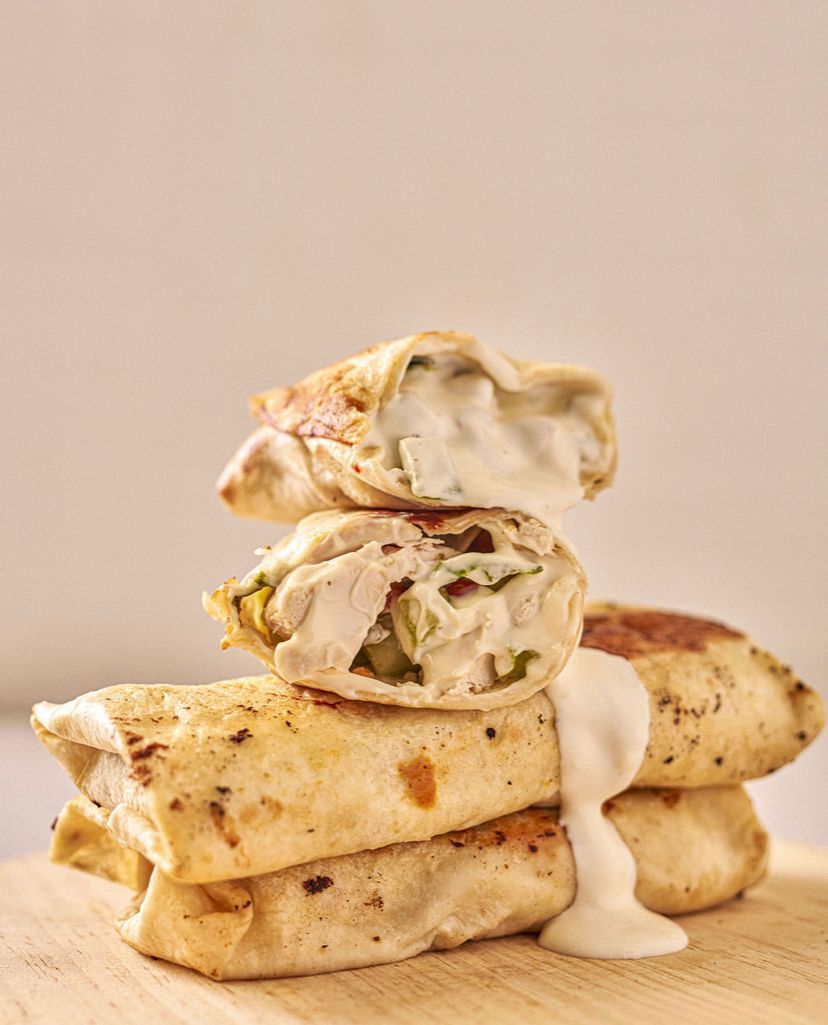
Juicy Beef Shawarma Recipe: Aromatic Spices & Flavorful Wraps Explained
Feast your senses on the tantalizing world of
beef shawarma, a globally adored Middle Eastern street food that promises a symphony of flavors and textures in every bite. Imagine tender, juicy slices of beef, marinated in an intoxicating blend of warm, earthy spices, seared to perfection, and nestled within a soft pita with crisp vegetables and creamy sauces. While traditionally prepared on a towering vertical rotisserie, the magic of shawarma is surprisingly accessible in your home kitchen. This comprehensive guide will unravel the secrets behind crafting an unforgettable beef shawarma, transforming your dining table into a vibrant street food stall.
The Soul of Beef Shawarma: Mastering Aromatic Spices and Marinade
At the heart of any truly spectacular
beef shawarma lies its extraordinary marinade, a fragrant concoction designed to imbue every fiber of the meat with profound flavor and tenderness. The spice blend is what distinguishes shawarma from its culinary cousins like the Greek gyro, leaning heavily into a profile that is both warm and complex.
Key spices you'll often find in a traditional shawarma marinade include:
- Cumin: Provides an earthy, warm foundation.
- Coriander: Adds a subtle citrusy and slightly sweet note.
- Cardamom: The star of the show, offering a unique floral, almost eucalyptus-like aroma that is unmistakably Middle Eastern.
- Turmeric: Contributes a beautiful golden hue and a mild, musky flavor.
- Cinnamon & Cloves: Used sparingly, these add a hint of warming sweetness and depth, elevating the overall spice profile without overpowering it.
- Paprika: For a touch of smoky sweetness and color.
Beyond the dry spices, the marinade typically incorporates lemon juice or vinegar for tenderization and a bright tang, along with olive oil to carry the fat-soluble flavors and keep the meat moist. When selecting your beef, flank steak is an excellent choice for homemade shawarma due to its lean nature and ability to absorb flavors, especially when sliced thinly against the grain. Marinating the beef for at least 4-6 hours, or ideally overnight, allows the spices and acids to work their magic, ensuring succulent, flavor-packed results. This crucial step is what differentiates a good beef dish from an authentic, mouth-watering shawarma experience.
From Vertical Spit to Home Skillet: Recreating Authentic Flavors at Home
The iconic image of shawarma involves a large, conical stack of spice-marinated meats slowly rotating on a vertical spit, with the outer, caramelized layers shaved off as they cook. This mesmerizing process is synonymous with Middle Eastern street food culture, creating incredibly tender meat with irresistible crispy edges. While most home cooks don't have a vertical rotisserie, achieving that authentic
beef shawarma flavor and texture at home is not only possible but surprisingly easy.
The secret lies in adapting the cooking method to your kitchen. Instead of a spit, a well-seasoned cast-iron skillet or heavy-bottomed pan becomes your best friend. After marinating, thinly sliced beef is seared in batches over high heat. The goal is to get a beautiful caramelization on the meat, replicating the rich flavor developed on a rotisserie, without overcrowding the pan which would steam the meat instead of searing it. This method ensures each piece is perfectly cooked – tender on the inside with slightly crisp edges.
This simplified approach doesn't compromise on flavor. In fact, it highlights the incredible power of the marinade. The quick, high-heat cooking method also makes homemade shawarma a perfect weeknight meal, bringing exotic flavors to your table with minimal fuss. Whether you serve it in traditional wraps, over rice as a bowl, or as a vibrant salad topping, the extraordinary flavors will leave you completely satisfied. For a step-by-step guide to mastering this technique, check out our article on
Easy Skillet Beef Shawarma: Authentic Middle Eastern Flavors at Home.
Building Your Masterpiece: The Perfect Beef Shawarma Wrap
While the succulent beef is undeniably the star, a complete
beef shawarma experience is a harmonious blend of many delicious components. Assembling the perfect wrap or sandwich involves layering fresh vegetables, tangy pickles, and creamy sauces with the flavorful meat, creating a dynamic interplay of tastes and textures.
The classic accompaniments typically include:
- Pita Bread: Soft, warm pita is the traditional vessel, perfect for holding all the delicious fillings.
- Fresh Vegetables: Crisp shredded lettuce, juicy tomatoes, thinly sliced red onions, and refreshing cucumbers add crunch and a refreshing counterpoint to the rich meat.
- Pickled Vegetables: Often overlooked but essential, pickled turnips or cucumbers provide a sharp, vinegary kick that cuts through the richness and brightens the entire wrap.
- Sauces: This is where the magic truly happens!
- Tahini Sauce: A creamy, nutty sauce made from ground sesame paste, lemon juice, garlic, and water. It's earthy and slightly bitter notes are a perfect match for beef shawarma.
- Garlic Sauce (Toum): A potent, emulsified garlic sauce that delivers a powerful punch of flavor. Its creamy texture and intense garlicky taste are a staple for many shawarma lovers.
- Hummus: While less common in a wrap, a smear of creamy chickpea hummus can also add an extra layer of richness and flavor.
To assemble your wrap, warm your pita bread, then spread a generous amount of your chosen sauce(s). Pile on the seared beef, followed by the fresh and pickled vegetables. Roll it up tightly, and prepare for a delicious mouthful of flavors and textures that transports you straight to the bustling streets of the Middle East.
Shawarma vs. Gyros: Understanding the Flavorful Distinctions
Often confused due to their similar presentation as stacked, shaved meats in a wrap,
beef shawarma and the Greek gyro are distinct culinary traditions with their own unique characteristics. While both are incredibly popular street foods cooked on a rotating spit, their flavor profiles, spices, and serving accompaniments set them apart. Understanding these differences enhances appreciation for each dish.
The primary distinction lies in the spice blend:
- Shawarma: Embraces warm, earthy, and aromatic spices such as cumin, cardamom, turmeric, cinnamon, cloves, and paprika. The resulting flavor is deep, savory, and subtly sweet, with a distinct Middle Eastern character. The marinade also often includes lemon juice, vinegar, and oil.
- Gyros: Leans towards a brighter, more herbaceous flavor profile. Key seasonings include oregano, garlic, and often lemon juice or red wine vinegar, which give it a strong, zesty, and distinctly Greek taste.
Beyond the meat itself, the traditional accompaniments also differ significantly:
- Shawarma Wraps: Typically finished with tahini sauce, a creamy garlic sauce (like toum), or a garlic yogurt sauce. They are generously filled with crisp lettuce, tomatoes, red onions, cucumbers, and crucially, pickled vegetables (often pink pickled turnips).
- Greek Gyros: Almost always served with a cool, tangy tzatziki sauce (a yogurt-cucumber-garlic dip). It's also common to find French fries stuffed right into the pita alongside lettuce, onions, and tomatoes, with crumbled feta cheese as an optional but popular addition.
While both offer a delightful experience of marinated meat in a flatbread, these subtle yet significant differences in seasoning and presentation create entirely different culinary journeys. For a deeper dive into what makes this Middle Eastern favorite so special, explore
Beef Shawarma Unpacked: What Makes This Middle Eastern Street Food a Favorite?
Conclusion
From its humble origins as a beloved Middle Eastern street food,
beef shawarma has captured palates worldwide with its irresistible combination of tender, spice-laden meat and vibrant accompaniments. While the traditional vertical rotisserie might be a professional chef's tool, our comprehensive guide demonstrates that creating an authentic, satisfying beef shawarma experience is entirely achievable in your own kitchen. By mastering the aromatic marinade and employing simple skillet searing techniques, you can bring the exotic flavors of the Middle East directly to your table. So, gather your ingredients, embrace the spices, and prepare to embark on a culinary adventure that will leave you completely satisfied and craving more of this flavorful, aromatic delight.